Context
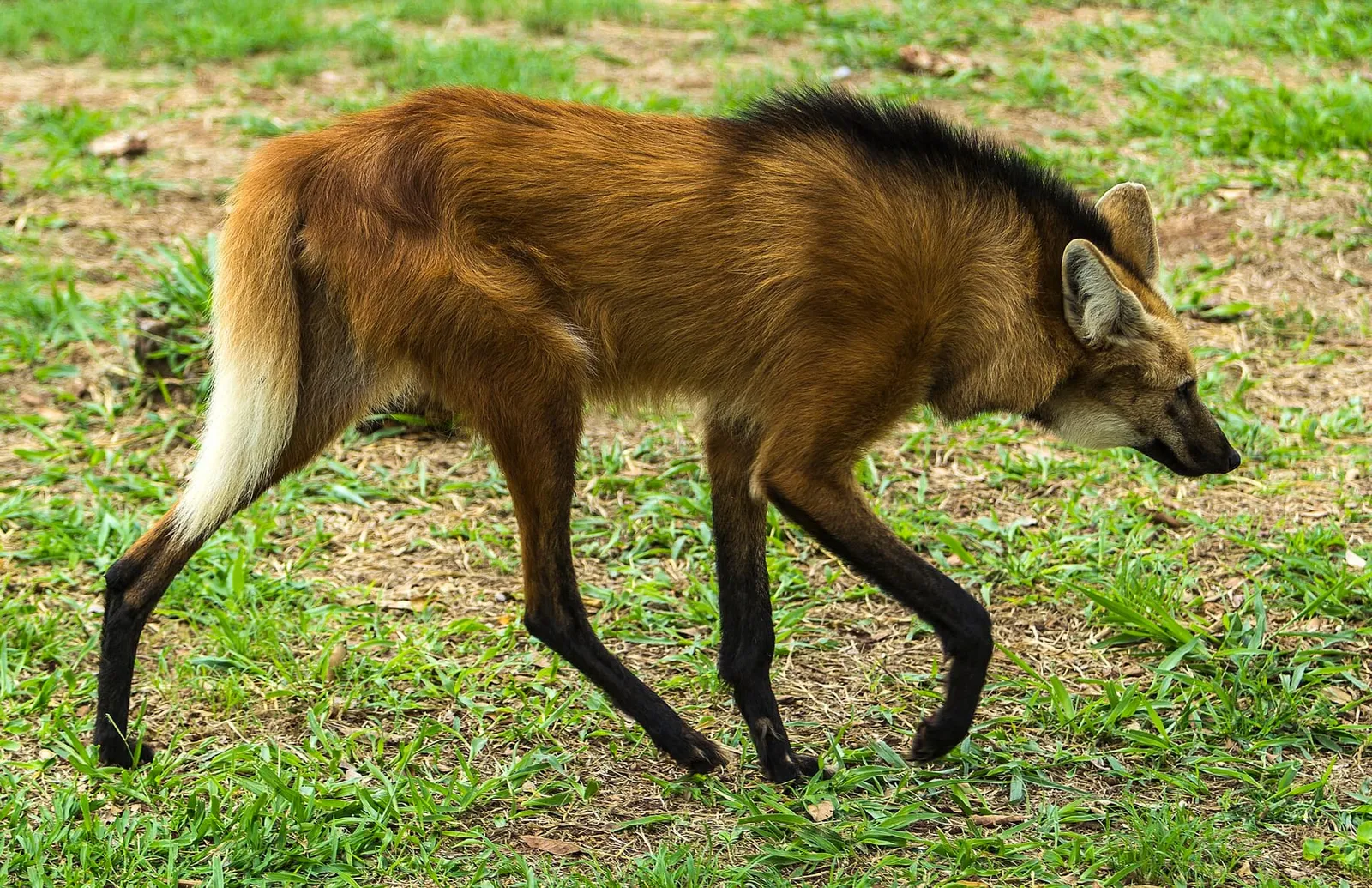
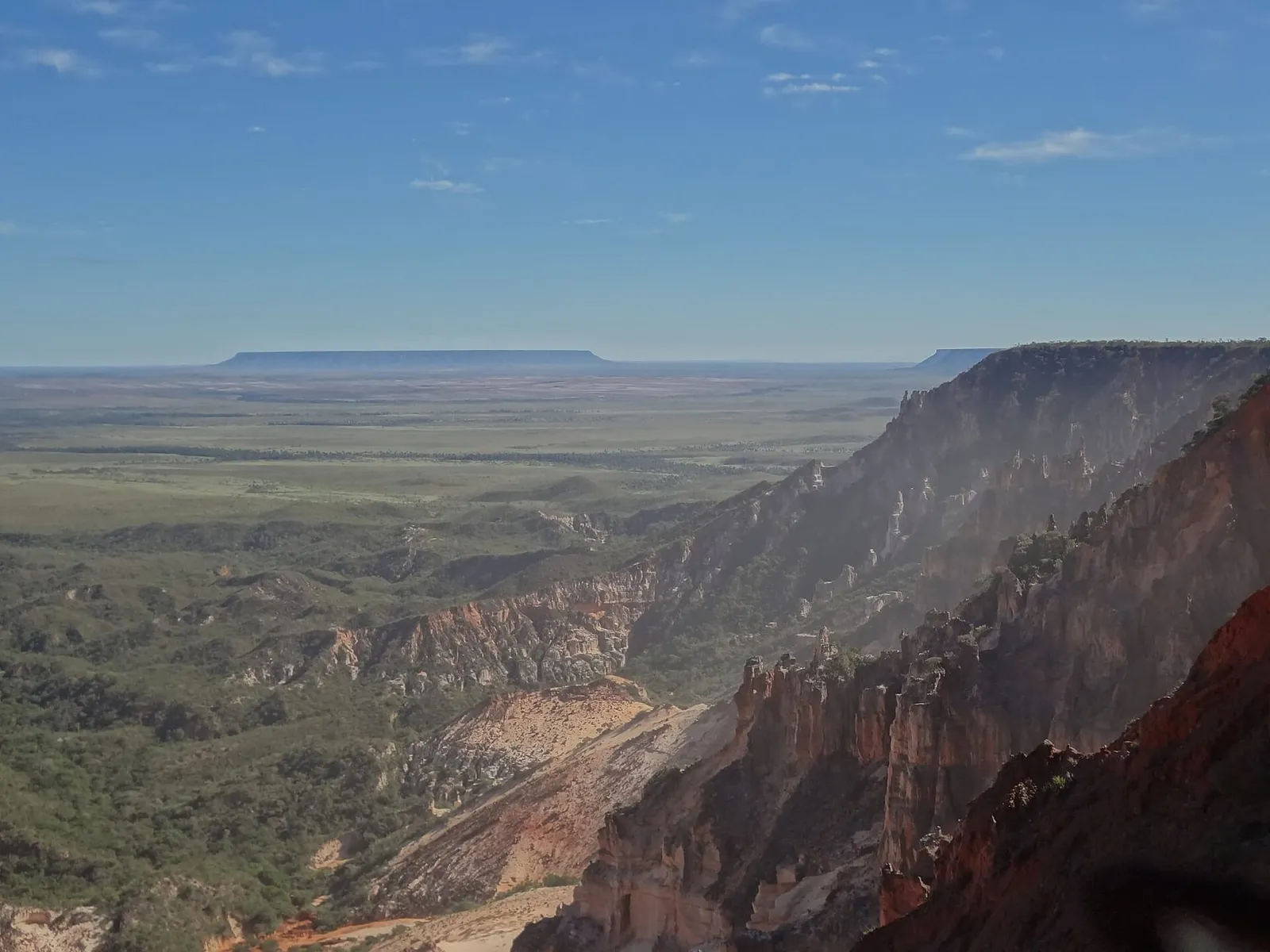
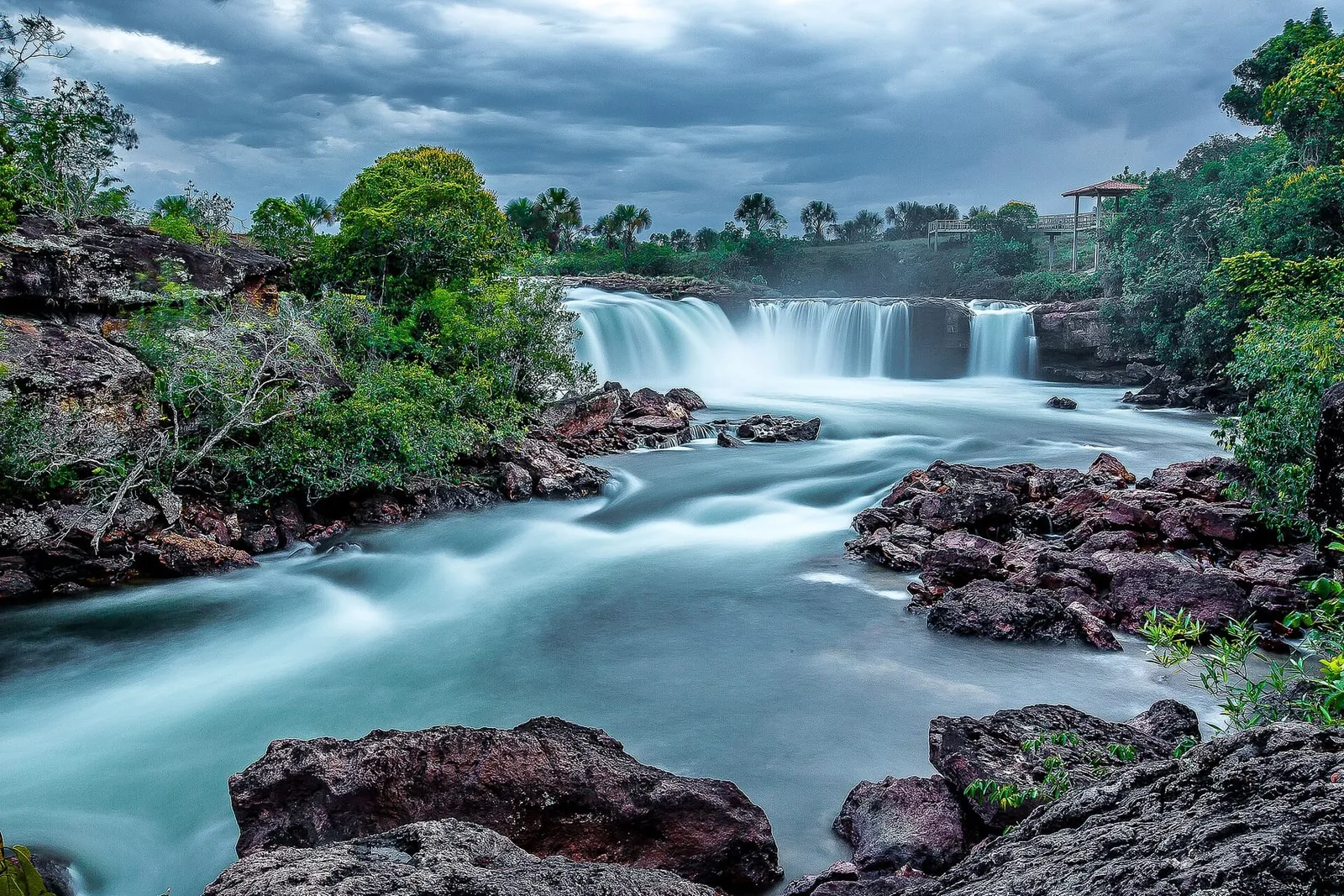
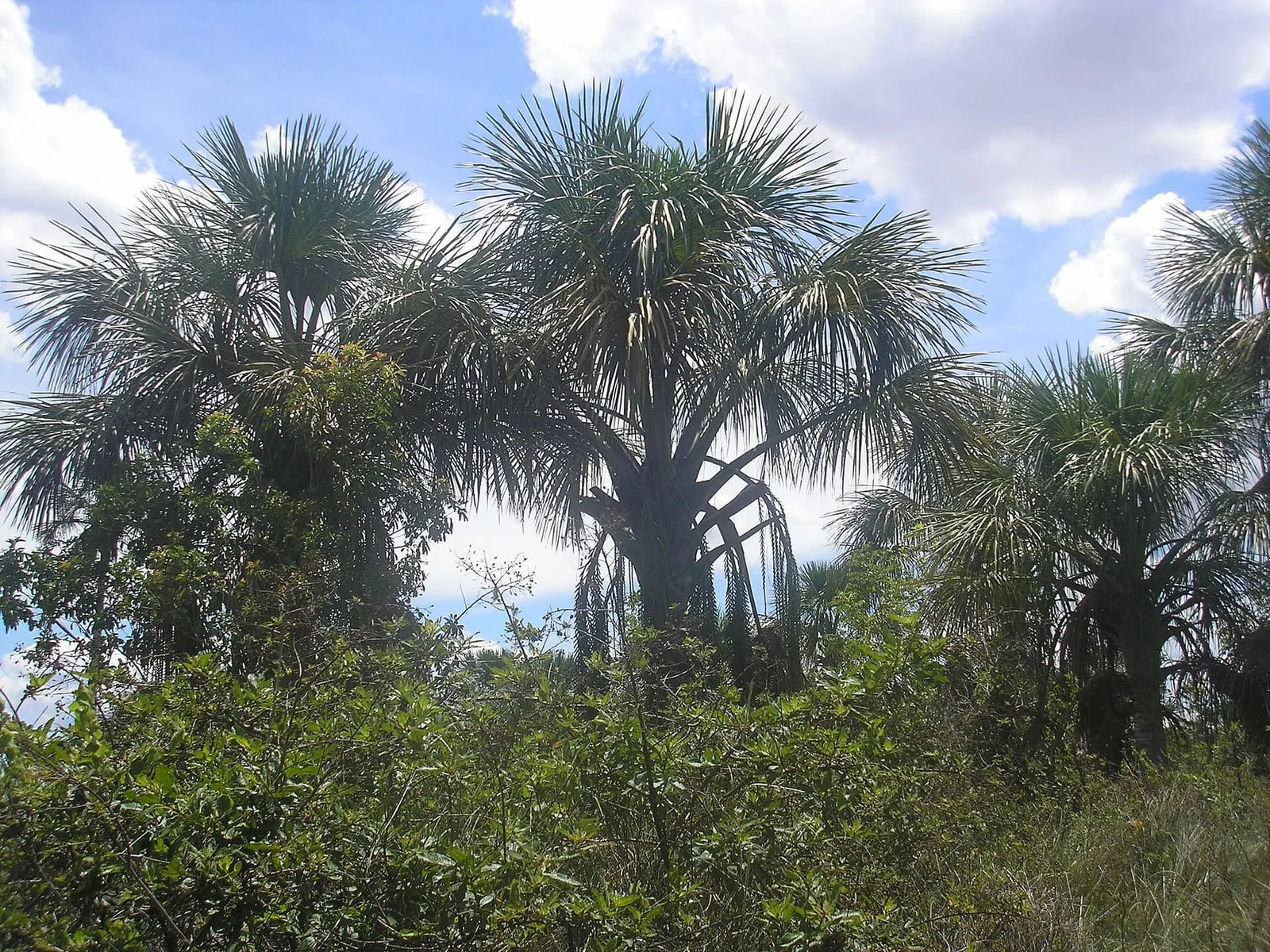
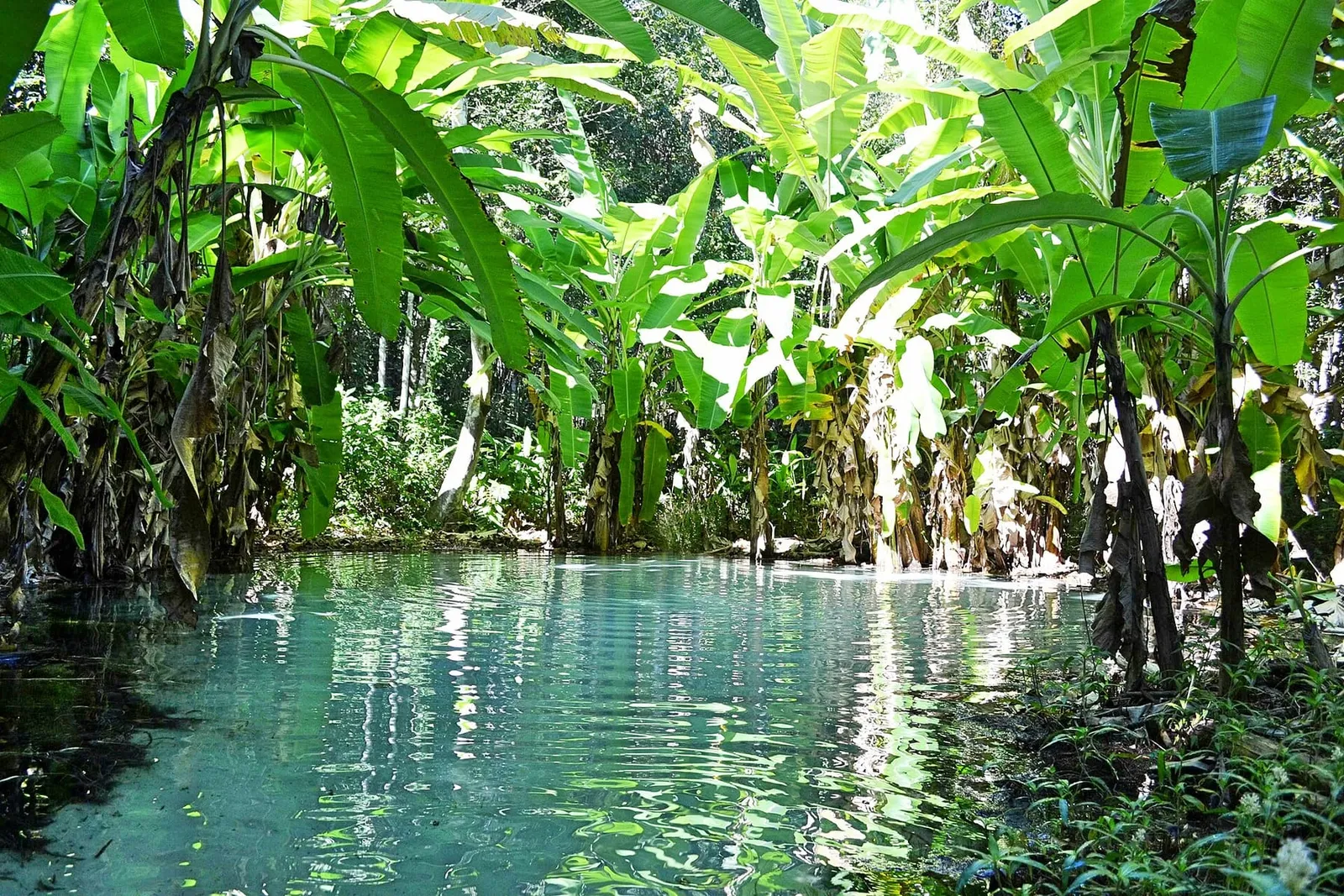
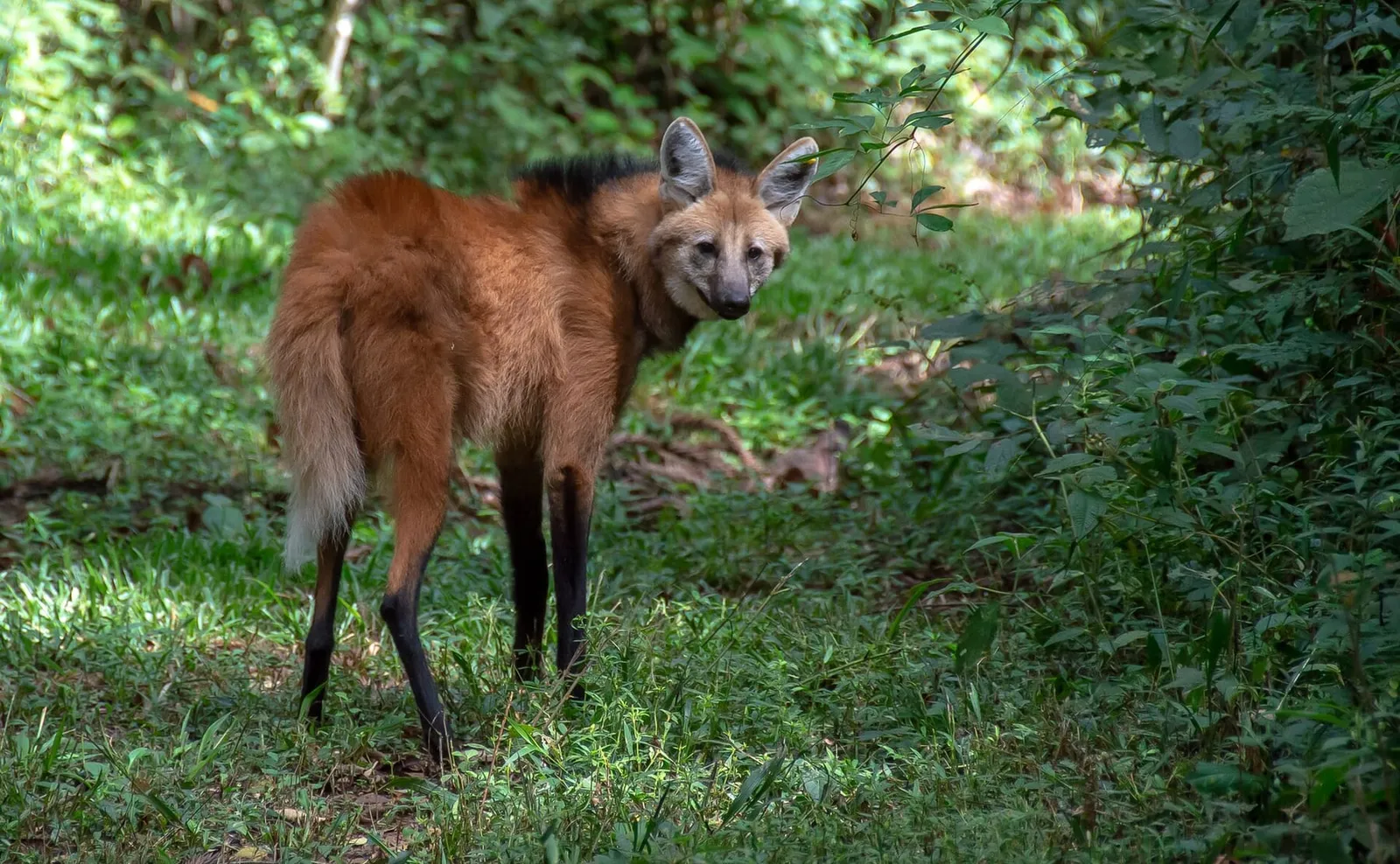
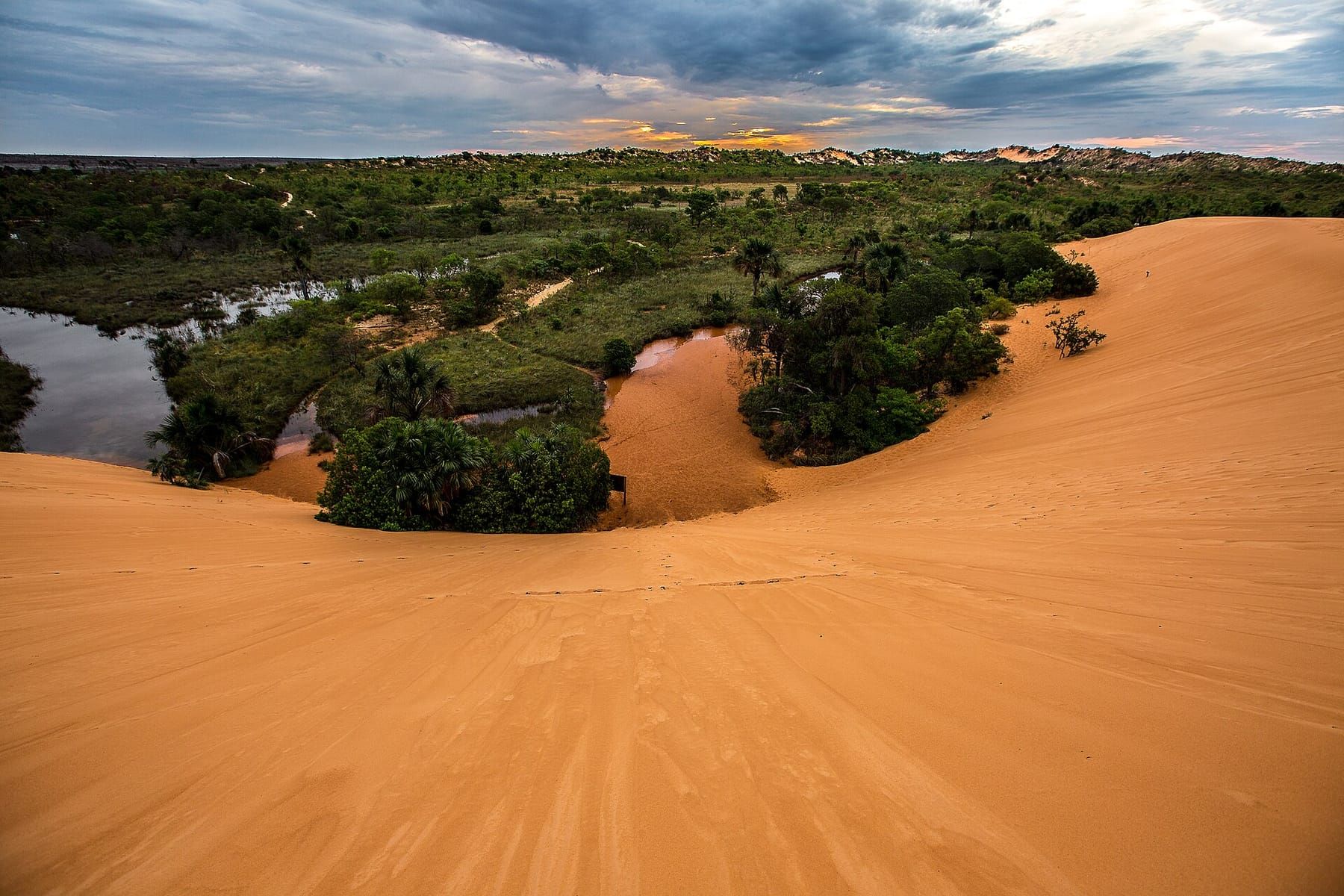
Jalapão, in the state of Tocantins, is one of the best-preserved areas of the Cerrado, Brazil’s tropical savanna and one of the most biodiverse savannas in the world. Its dunes, springs, veredas and buriti palm groves are home to species such as the maned wolf, and to rural and quilombola communities that lived there before the region’s conservation units were created.
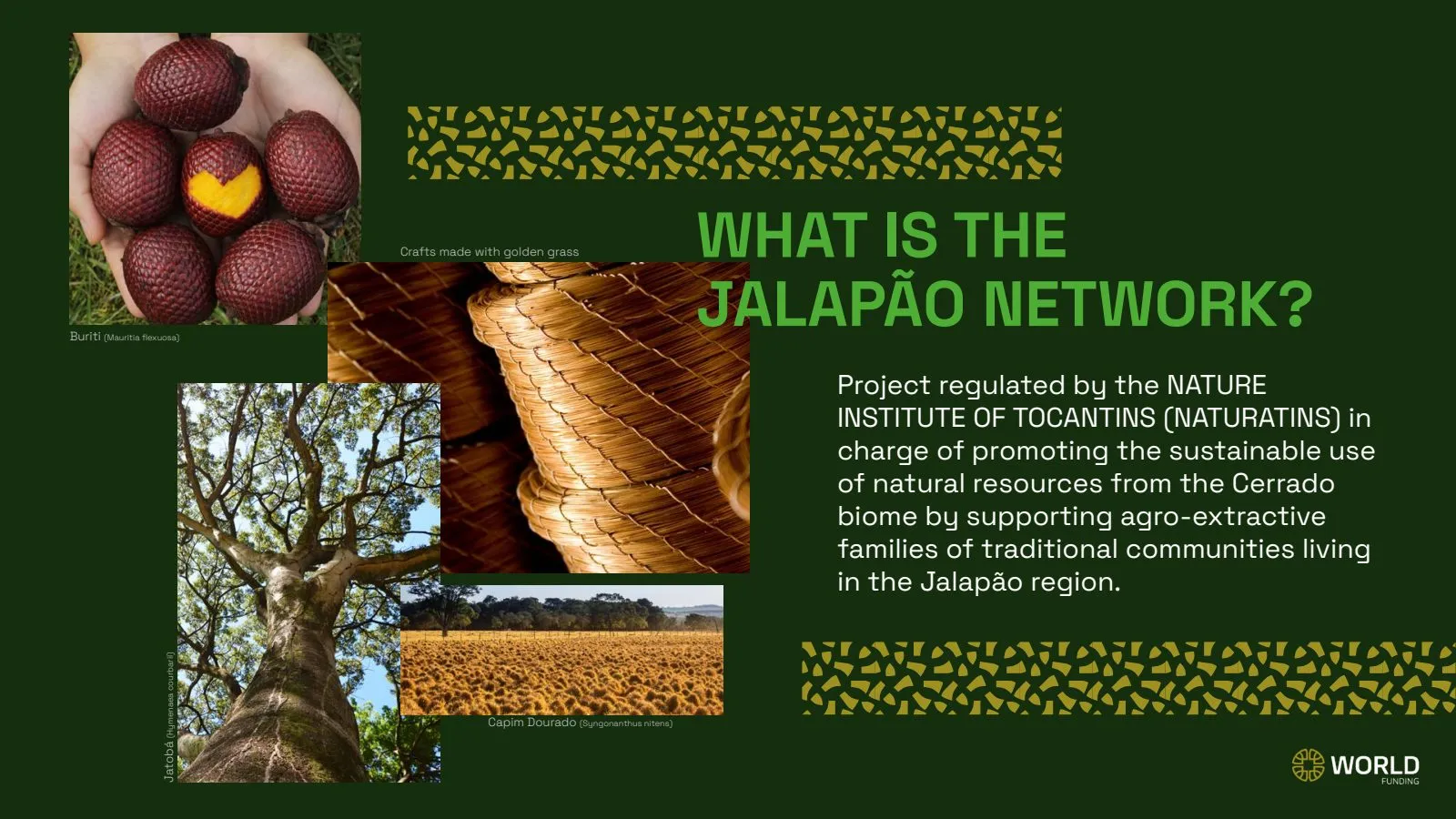
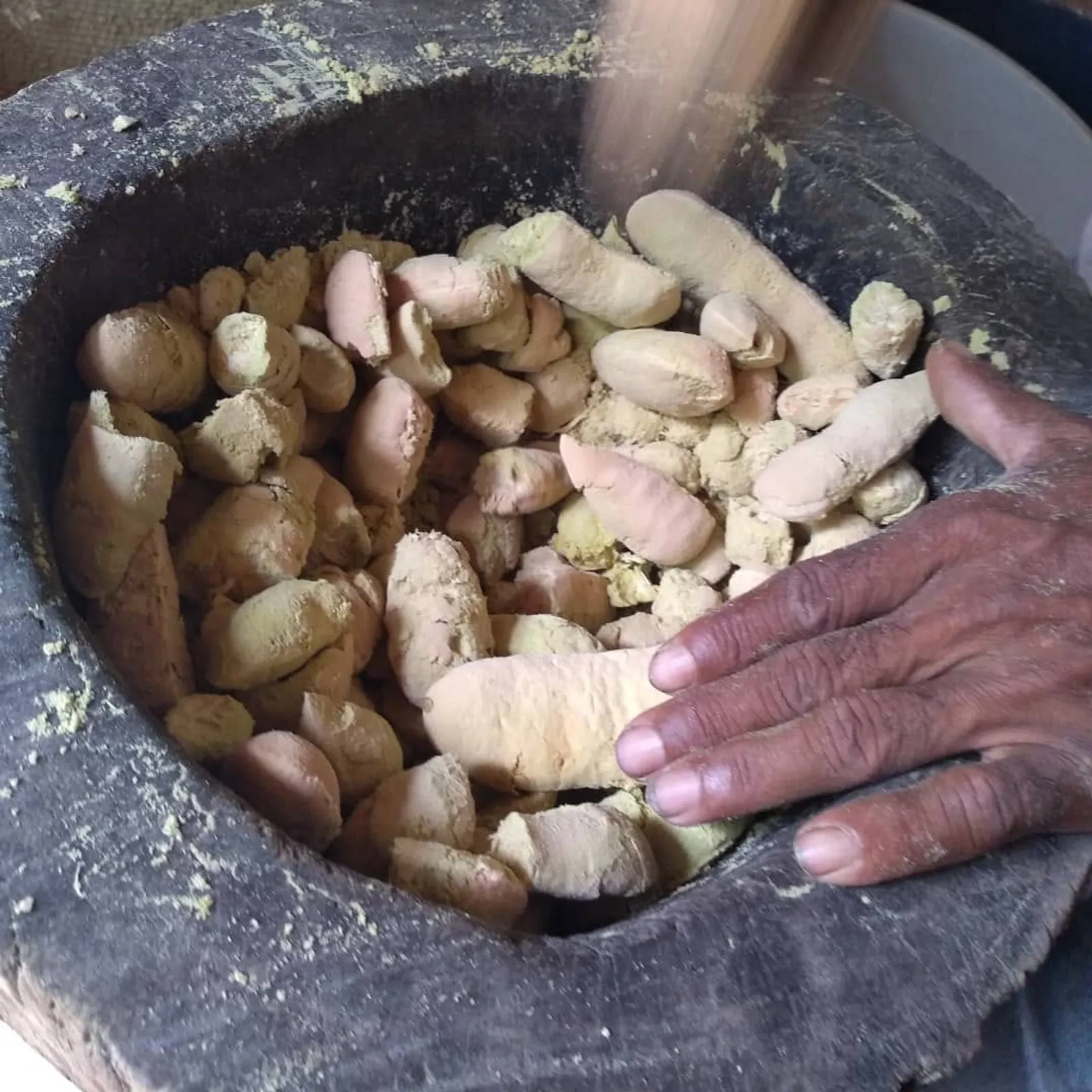
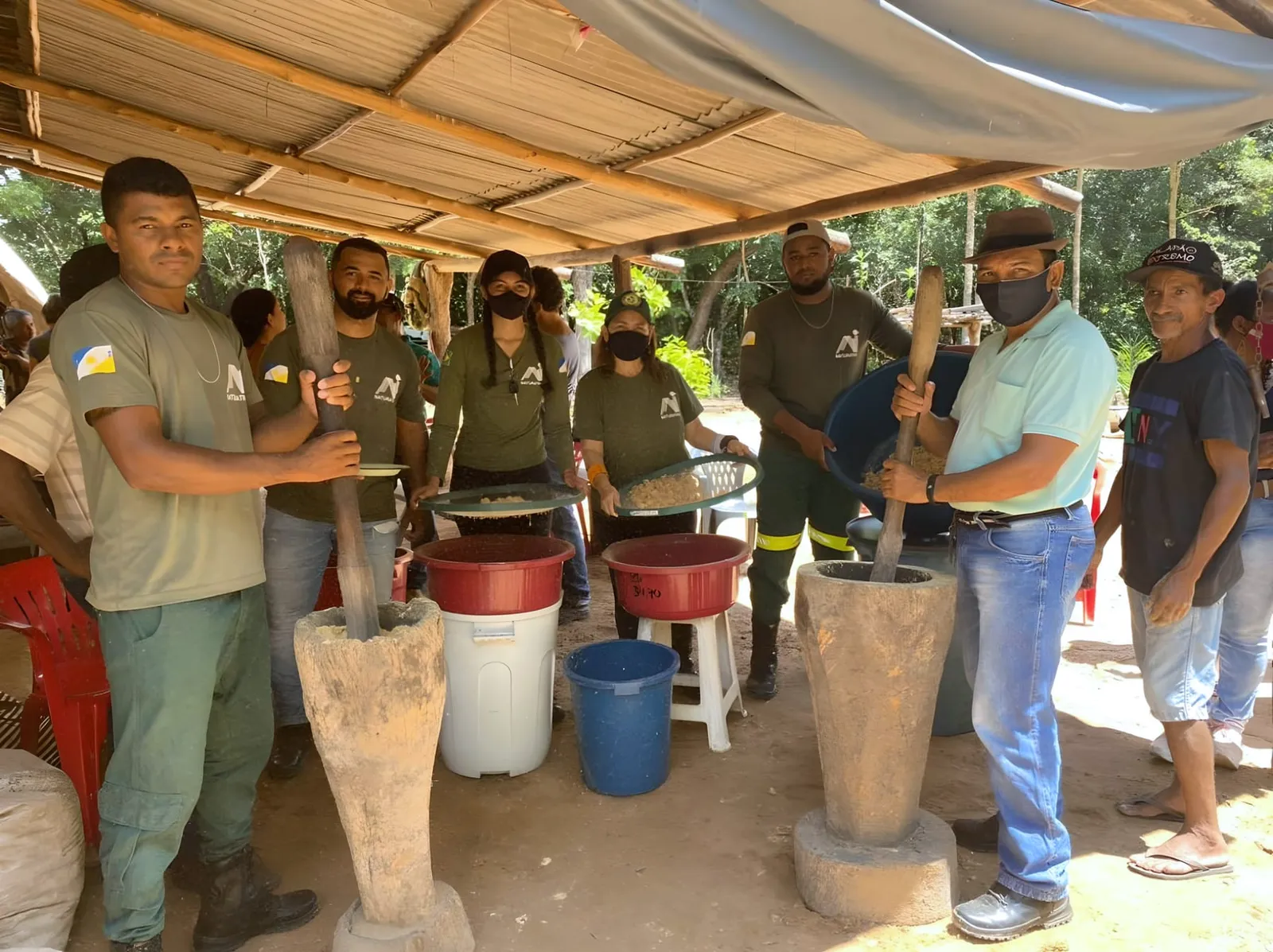
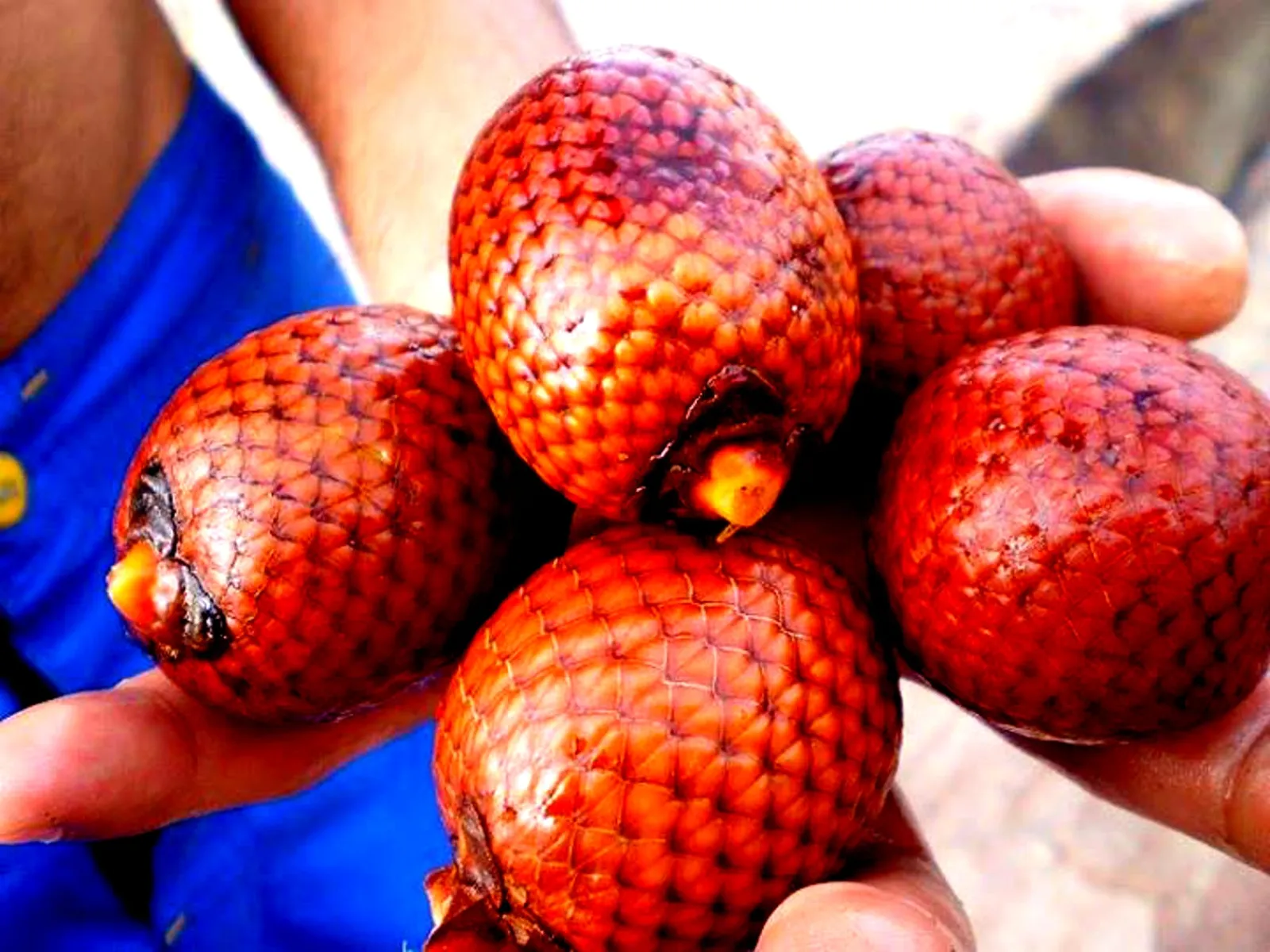
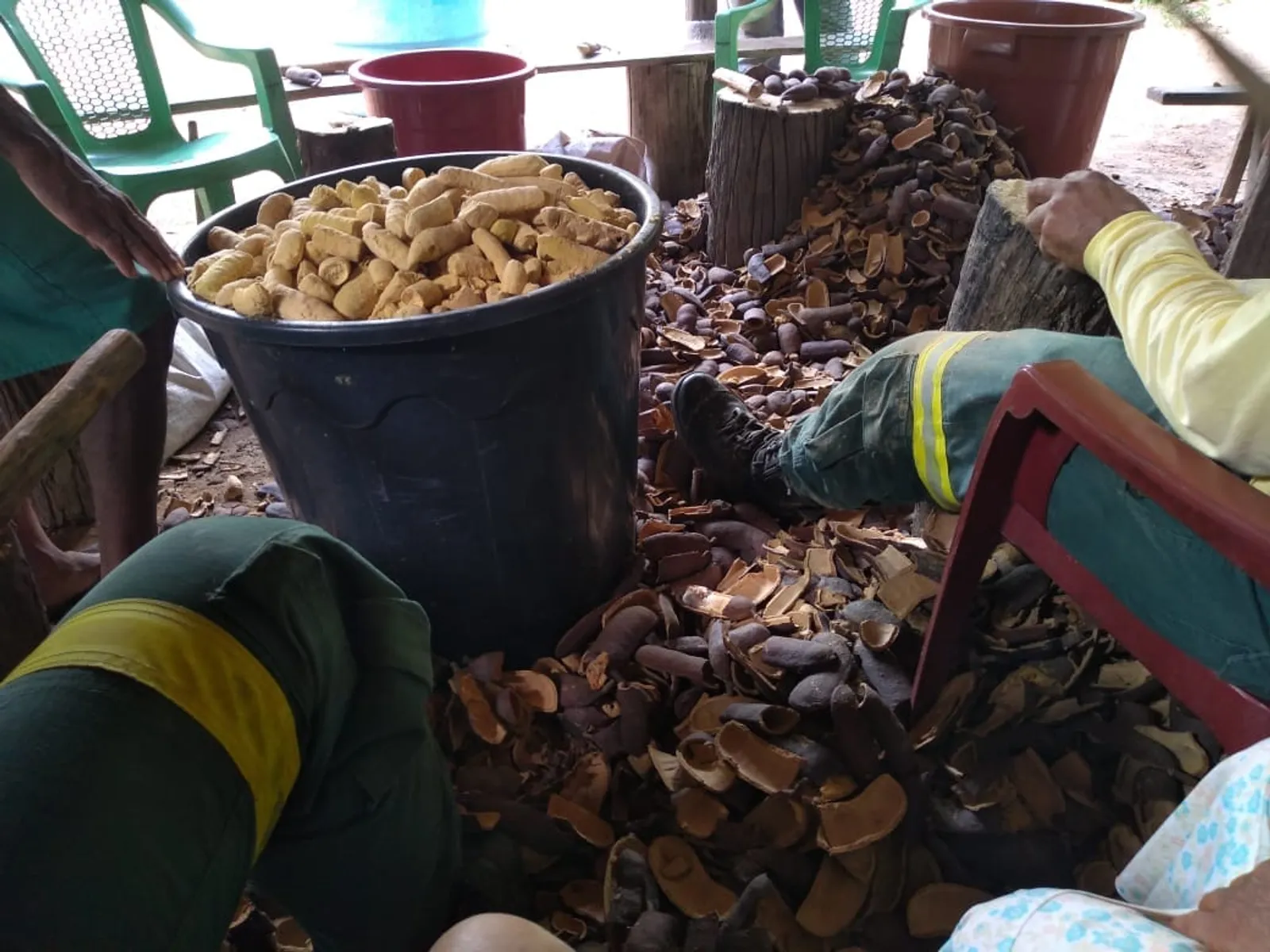
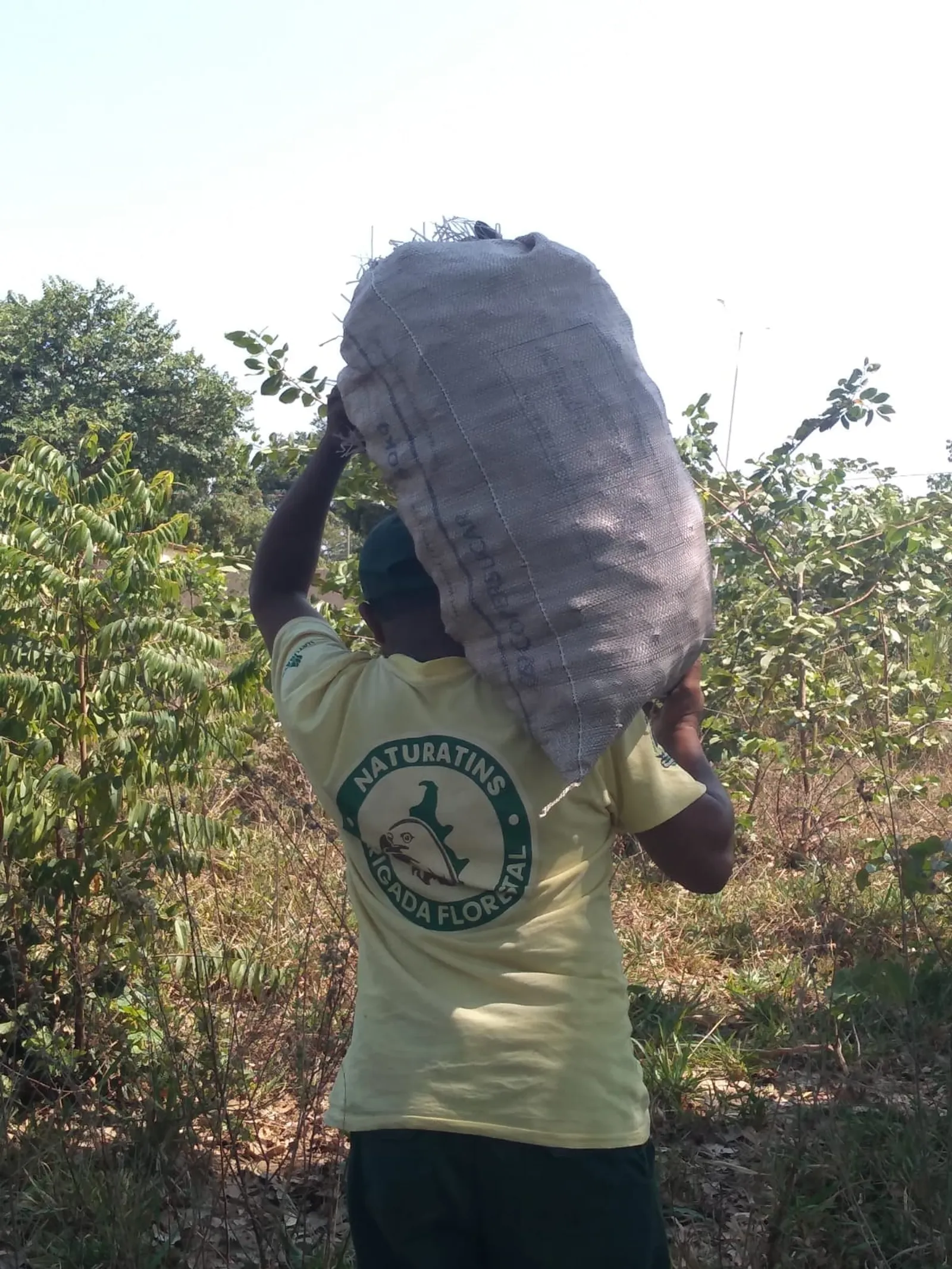
Rede Jalapão began in 2006 as a project of Associação Onça d’Água in partnership with Naturatins, the state environmental agency, which has coordinated the network since 2011. It brings together agro-extractive families in the municipalities around the park, such as Mateiros, São Félix do Tocantins, Novo Acordo and Ponte Alta do Tocantins, who harvest and process native products such as golden grass (capim dourado), buriti, jatobá and pequi, helps sell their products, and offers training in community-based integrated fire management.
World Funding’s role
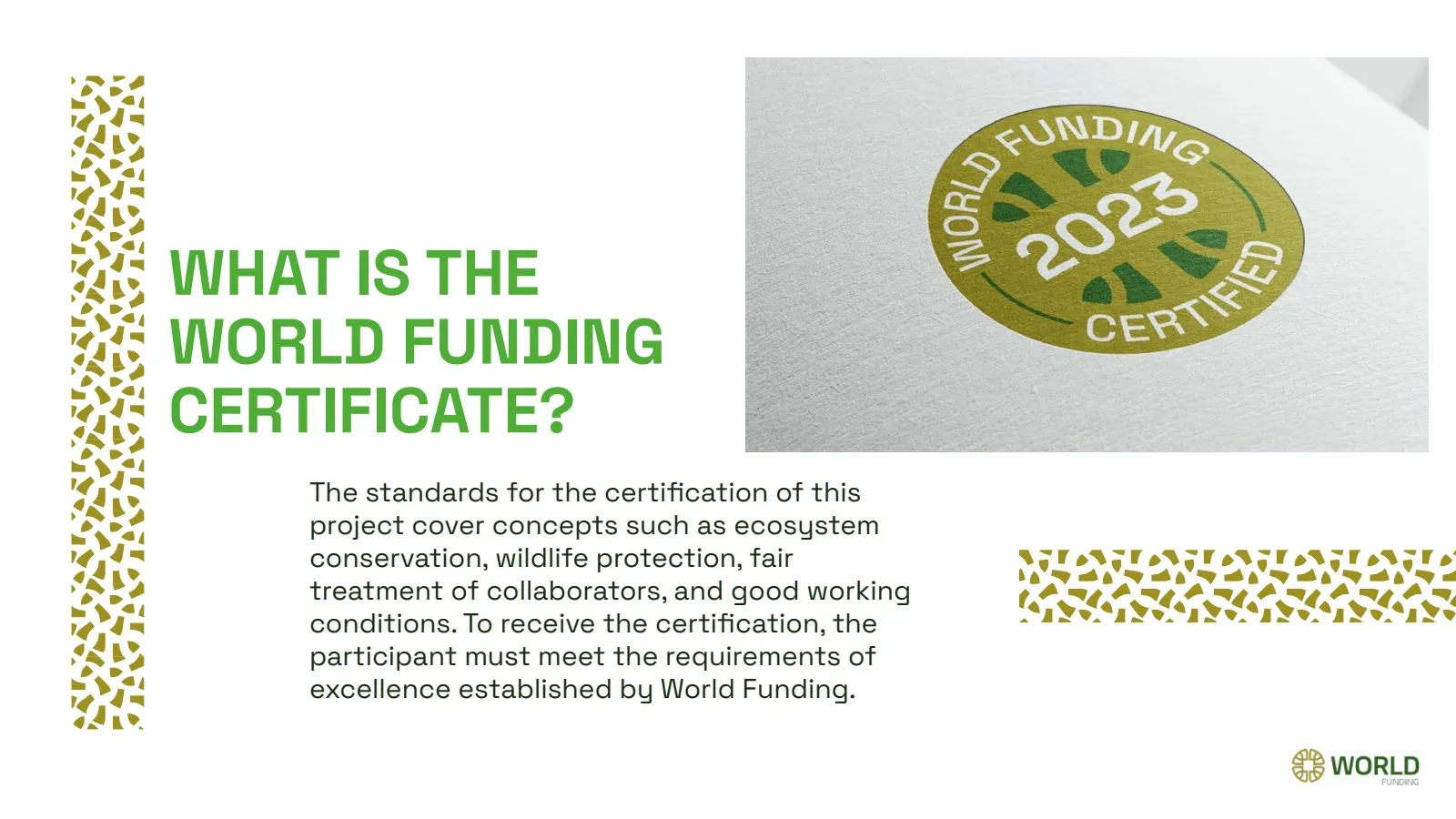
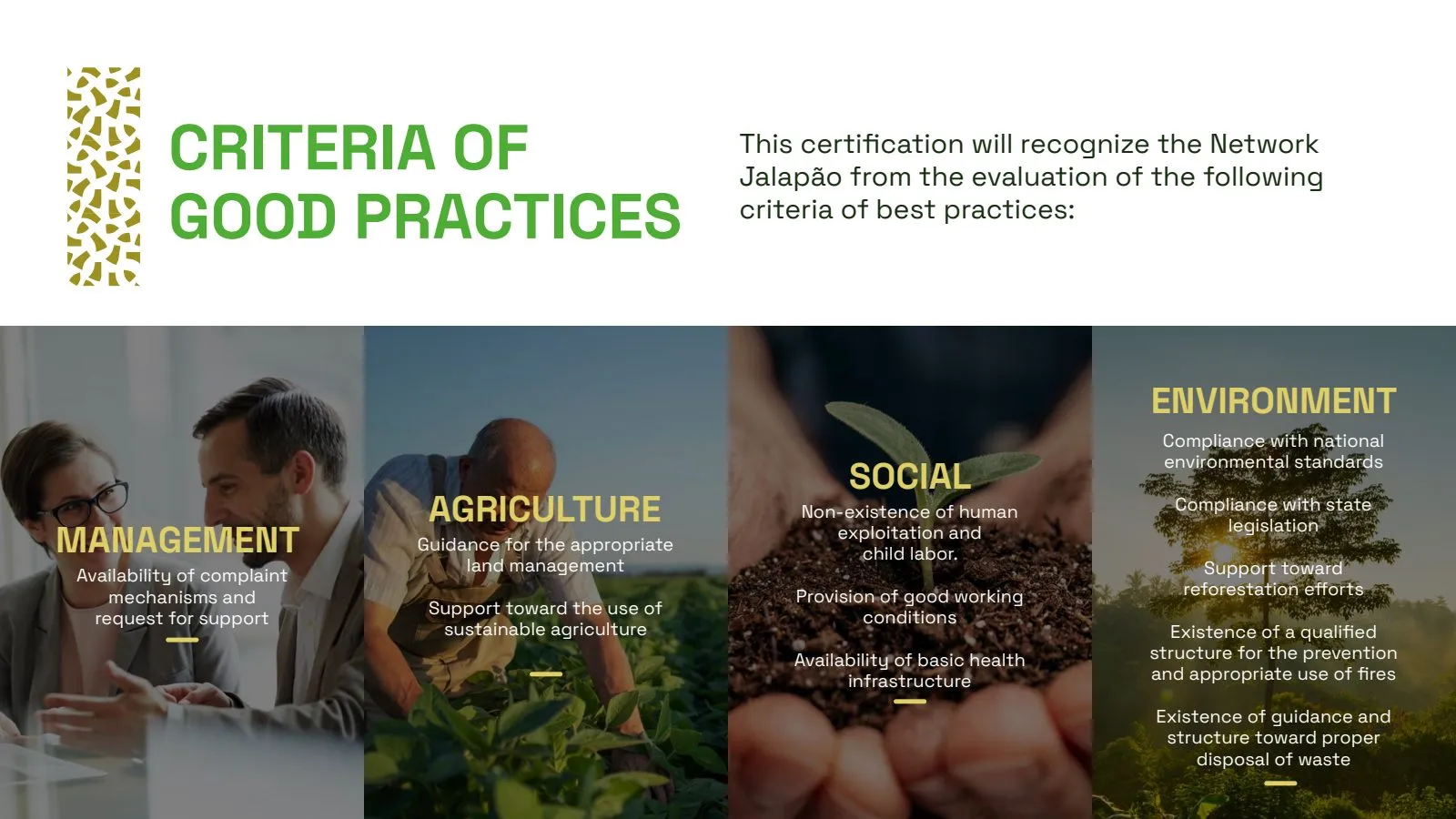
In 2023 World Funding developed a certification project for the network: a programme to recognise good environmental and social practices in the production of its socio-biodiversity products, assessed across management, agriculture, social and environmental criteria. The goal was to add market value to the products and, through that, improve the livelihoods of the families involved.
In August 2023 Naturatins formally invited World Funding to a technical cooperation agreement for the network. The agreement was signed that year and published in the Official Gazette of the State of Tocantins, and the cooperation is ongoing: World Funding develops the certification programme, its criteria and procedures, and promotes the network’s work and good practices internationally.